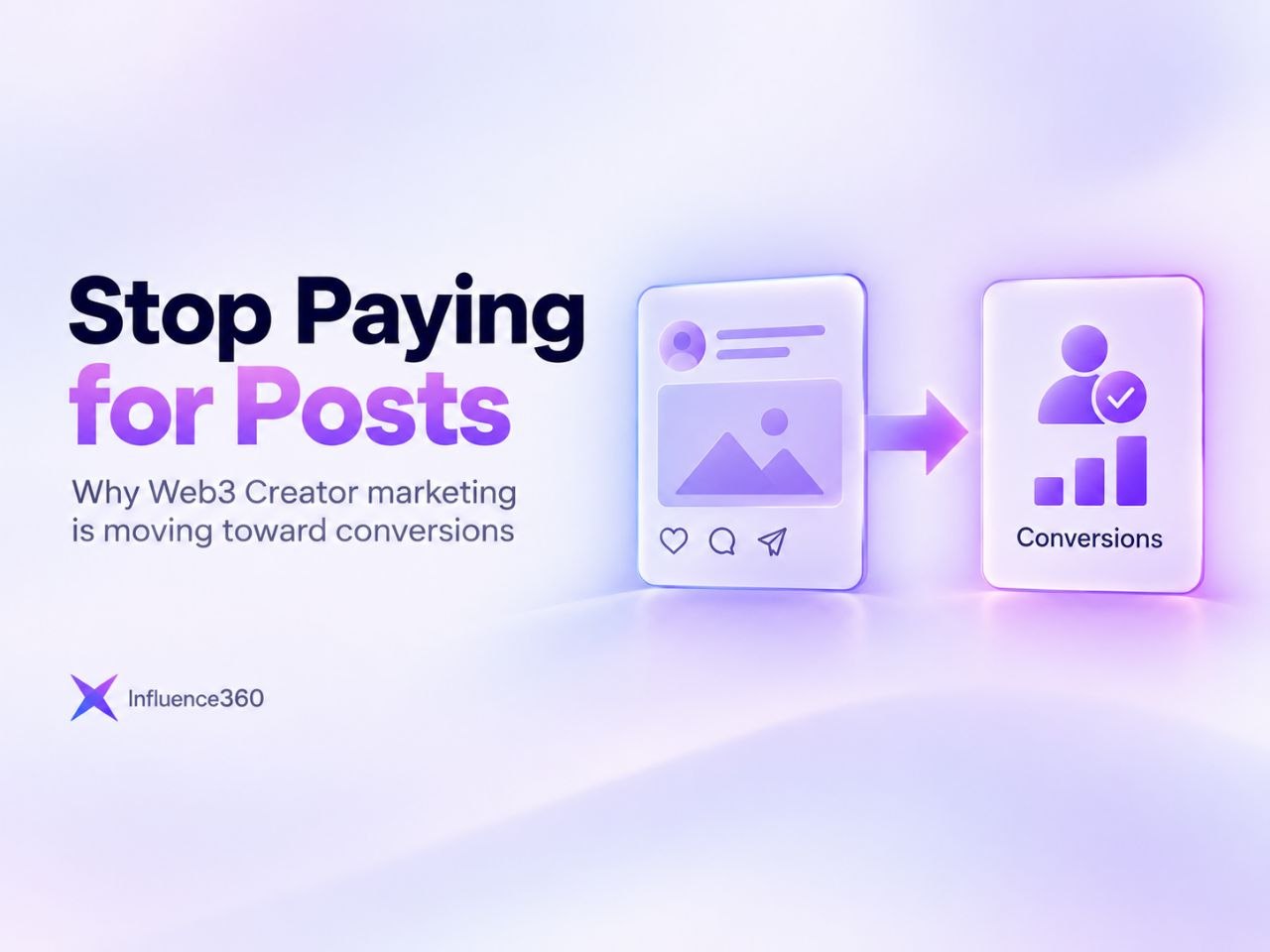
For years, creator marketing in Web3 has been done more or less the same way. A project finds a KOL, they agree on a price, the creator posts a thread, video, or review. The project pays. The awkward part usually comes later, when someone on the team asks: what did we actually get for that money?
Maybe the post did 80,000 views. Maybe 1,500 likes and a few hundred clicks. Perfectly respectable numbers for a campaign report, and they still avoid the only question worth asking. Did anyone do anything? Sign up, deposit, join, buy — did someone ever do the thing the campaign was for?
Ask most Web3 marketing teams that question and the answer is some variation of "we're not sure". That’s exactly what conversion-based creator campaigns are meant to fix.
Web3 has spent too long paying for activity instead of outcomes
None of this means traditional KOL campaigns are bad. Awareness matters. Reach matters. Good content, obviously, matters. The problem sits somewhere narrower: how creators get paid usually has almost nothing to do with the result the project actually wants.
Let’s say a Web3 company pays two creators $5,000 each. Creator A has 800,000 followers and generates enormous reach — thousands of people see the post, and almost none of them become users. Creator B has 150,000 followers and gets far less attention, but that audience genuinely trusts their recommendations, so hundreds of people click through, sign up, and start using the product.
With the usual approach, Creator A would probably look like the better deal. But if Creator B is the one bringing in signups, deposits, or real users, then they’re the one doing the better job. Follower count only tells you how many people might see the content. It doesn’t tell you how many people trust the creator enough to act on it.

What is a conversion campaign?
That's the idea behind Influence360’s Conversion Campaigns. Instead of paying creators simply for publishing, projects pay creators when their audience actually does something.
The campaign decides what is the action. A signup, a deposit, a purchase, a registration — any action that really matters to the project.
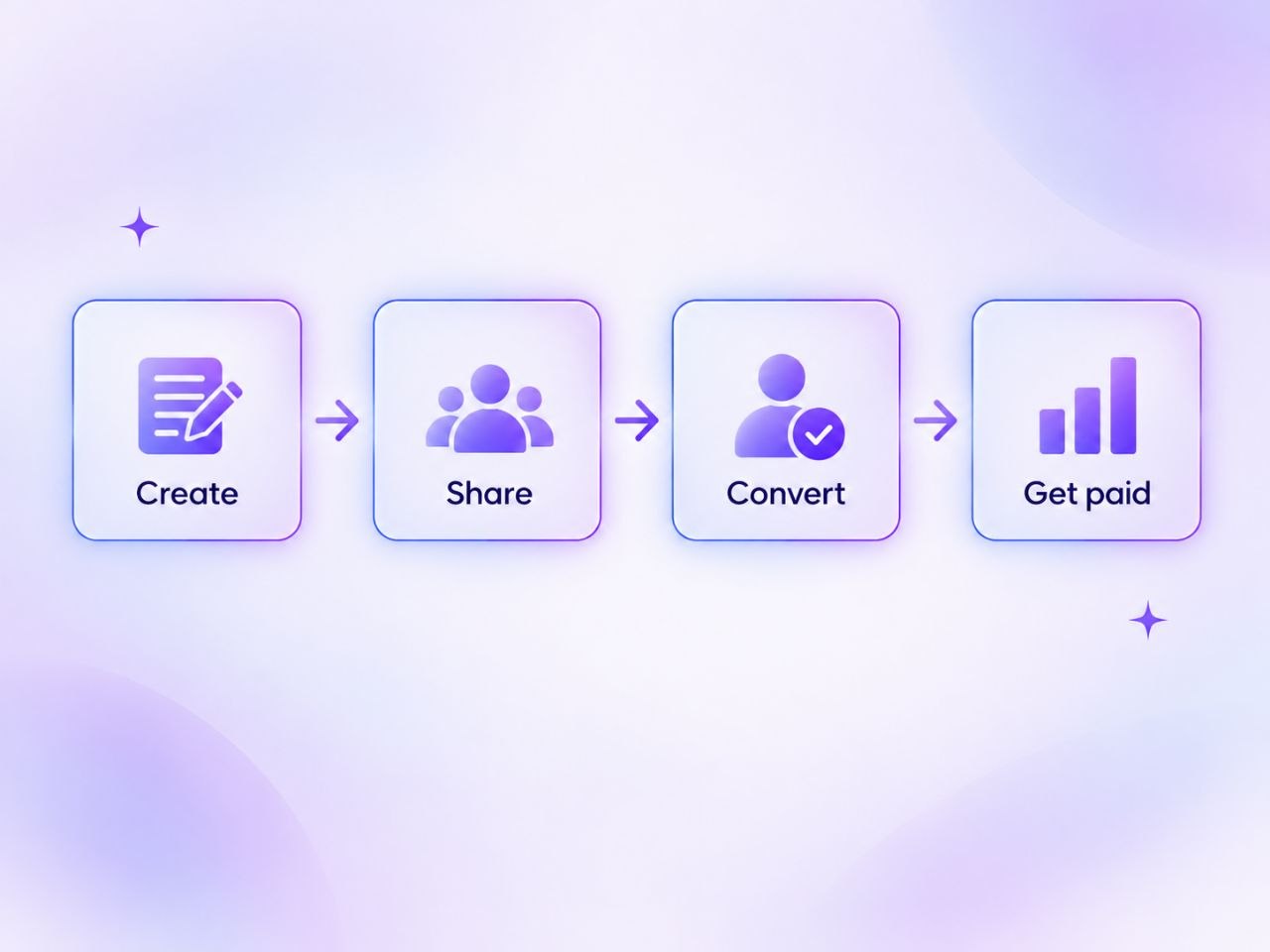
It’s simpler than it sounds. A creator shares a tracked link. Someone clicks it, does the thing it needs to do, the conversion gets reported, and the creator is credited for the result. Projects see exactly where results came from; creators are paid on the value they genuinely brought.
Why this changes things for companies
Attribution might be the single most frustrating part of Web3 marketing. A campaign goes live with five creators, traffic starts picking up, and new users begin coming in — great. So who brought them in? Was it the creator with 500,000 followers, the one with 80,000, another channel altogether or people who were going to sign up anyway?
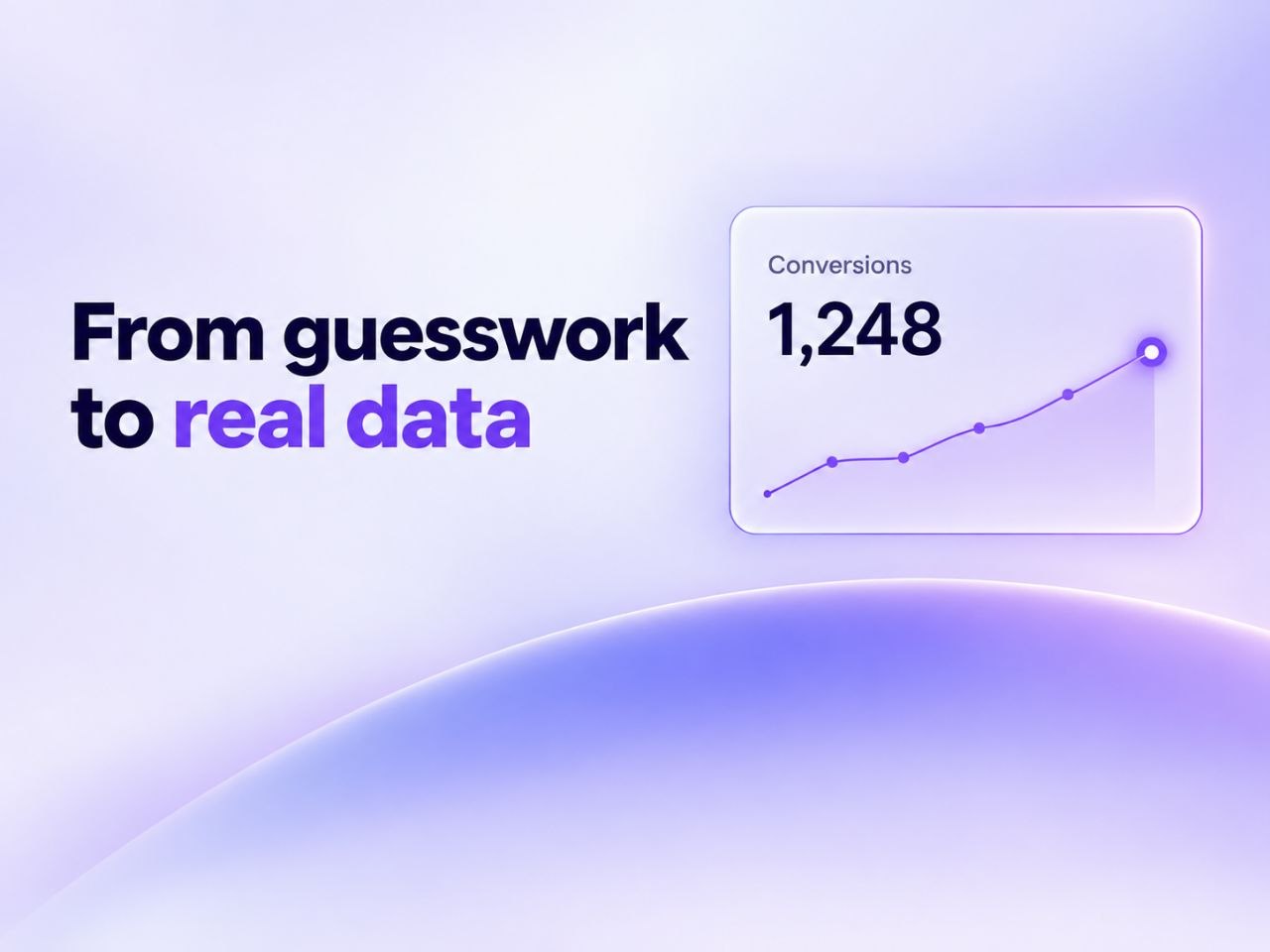
When attribution is weak, you end up setting budgets based on half the picture— reach, likes, engagement. Conversion campaigns show you what people did after they clicked.
Projects can stop asking who has the biggest audience and start asking whose audience actually responds. It's a better question, and the answer changes how you spend the budget. A creator with a smaller but genuinely relevant audience can turn out to be worth considerably more than someone with huge reach and weak conversion. Marketers should’ve had this kind of information years ago.
But can you trust the conversion data?
Performance-based marketing only works if people trust the numbers. If they don’t, you’ve basically traded one unreliable metric for another.
If creators are being paid per conversion, there need to be proper security checks for fake activity, duplicate conversions, manipulated events, and all the other ways people might try to manipulate the system. That’s why tracking is such a big part of how Conversion Campaigns work on Influence360 — conversions go through a series of checks before they are approved, including timing, duplicates and fraud.
For things like deposits or purchases, the conversion can be reported directly from the project’s server. The event comes from the project's own server instead of something being triggered in a user’s browser. It sounds technical, but in other words, the numbers are much harder to mess with.
The idea is pretty simple. Companies should feel confident they're paying for real results, and creators should feel confident they'll be credited for the results they truly produced. If you remove that trust on either side the whole model breaks down.
This isn't only better for companies
"Pay per conversion" can sound, at first hearing, like a model designed purely for advertisers. There’s another aspect to that. It provides good creators a way to prove something no follower count ever could — that they’ve earned real trust with their audience.
Take two creators with similar follower numbers. One gained the audience through giveaways, engagement tricks, and years of accumulating people who stopped paying attention long ago. The other built a community that genuinely listens when they recommend something.They may look similar at first, but the way their audiences convert can be completely different.
This is where performance-based campaigns get interesting from the creator's side. Rather than competing endlessly on follower count, creators compete on something far harder to fake: the ability to influence a real decision. If your audience listens, clicks, signs up, deposits, or buys, that relationship has measurable value — and the better your audience converts, the more valuable you become to projects looking for creators.
It isn't conversion campaigns versus awareness campaigns
Not every creator campaign needs to be performance-based. If you’re launching a brand, entering a new market, or announcing something big, awareness still matters. Sometimes the goal is just to get in front of more people.
If the goal is something you can measure, the campaign should be built around that. If you want signups, track signups. If you want deposits, track deposits. It sounds obvious, but a lot of creator campaigns still stop at views, clicks, or engagement instead of looking at what happened next. The campaign should match the result you’re trying to get.
From "who should we pay?" to "who actually performs?"
What gets really interesting is what happens over time. Companies start seeing which creators bring results, while creators learn what their audiences respond to. So the next campaign isn’t built on follower counts and guesswork, but on what already worked.
Over time, this should make it easier to see which creators really move the needle. Projects can spend with more confidence, and strong creator-audience relationships start to matter more than inflated numbers. Which, really, is closer to what influencer marketing should have been about all along: actual influence, not just impressions.
Ready to see what your creator campaigns actually drive? Launch a Conversion Campaign on Influence360 and start paying for results, not just posts: https://influence360.io/sign-up